

Wheels
A wheel fits a car only when all of its dimensions suit that car: diameter, width, bolt pattern (PCD), offset (ET) and centre bore. Below we explain what they mean and what the Lithuanian rules require. Read the guide
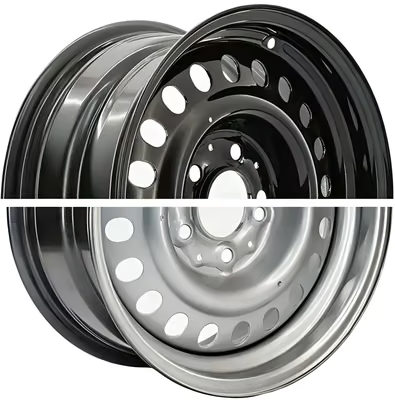

Stock in stores
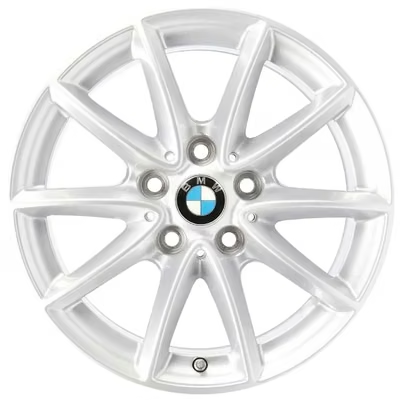

Stock in stores
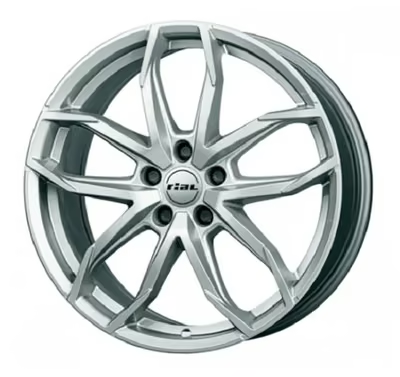

Stock in stores
Stock in stores

Stock in stores

Stock in stores
Stock in stores

Stock in stores

Stock in stores
Stock in stores
Stock in stores
Stock in stores
Stock in stores
Stock in stores
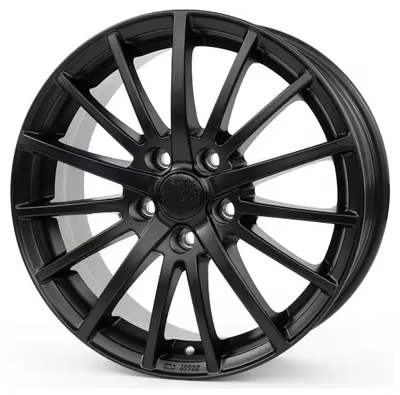
Stock in stores

Stock in stores
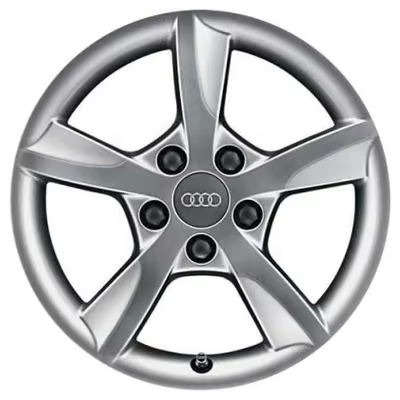
Stock in stores
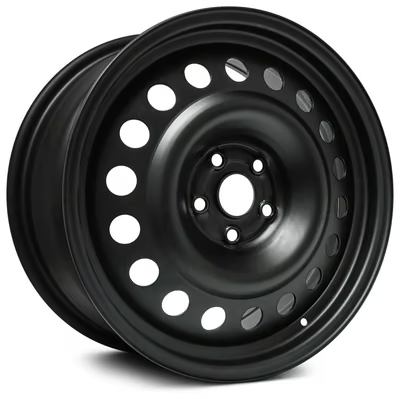
Stock in stores
Stock in stores
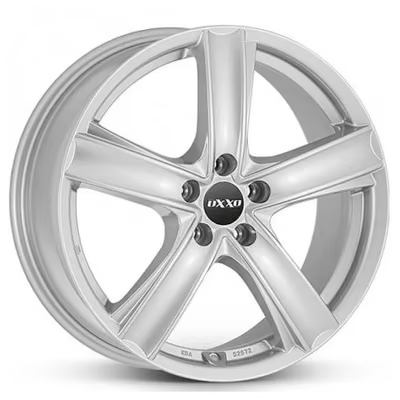
Stock in stores
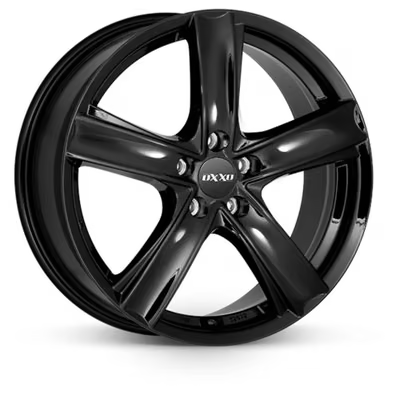
Stock in stores
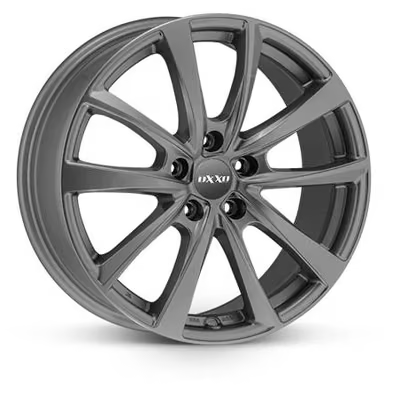
Stock in stores
Stock in stores
Stock in stores
What the wheel dimensions mean
- Width and diameter – in inches: 7J x 17 means a width of 7 inches (J is the flange profile) and a diameter of 17 inches. The diameter must match the tyre marking (R17), and the width must suit the width of the tyre.
- PCD (bolt pattern) – the number of bolt holes and the diameter of the circle they sit on, in millimetres, e.g. 5x112.
- ET offset – the distance in millimetres from the centre line of the wheel to the surface that sits against the hub: the higher the ET, the further inside the wheel arch the wheel sits.
- Centre bore – centres the wheel on the hub; if it is larger than the hub, centring rings are usually used.
- Bolts or nuts – the shape of their seat (conical, spherical or flat) and their length must match the wheel, so new wheels may need different bolts.
What the Lithuanian rules require
Legal requirement: under the list of technical requirements for motor vehicles and their trailers approved by the LTSA, the size and design of the wheels must be as specified by the vehicle manufacturer, and the wheels on the same axle must be identical (points 5.1–5.2). Tyres must not touch the body or suspension parts or protrude beyond the body outline (point 5.4), and passenger cars (M1) first registered after 1 November 2015 must have a fitted and working tyre pressure monitoring system (point 5.8). All of this is checked at the technical inspection.
Recommendation: if the pressure sensors are fitted inside the wheels, move them to the new wheels or buy new ones; when the tyres are changed, it is worth replacing the sensor seals as well.
Winter wheels and how to choose
Alloy wheels can be used in winter, but road salt attacks their finish, so if the wheel maker states which models are winter-suitable, choose one of those and wash the wheels regularly. For winter tyres, only choose wheel dimensions that the vehicle manufacturer allows – you will find them in the owner's manual. On this page you can narrow down the wheels with the “Diameter”, “PCD (Bolt Pattern)”, “ET offset” and “Center bore” filters, and find tyres for them under tyres. If you are not sure whether a wheel will fit, contact us.